

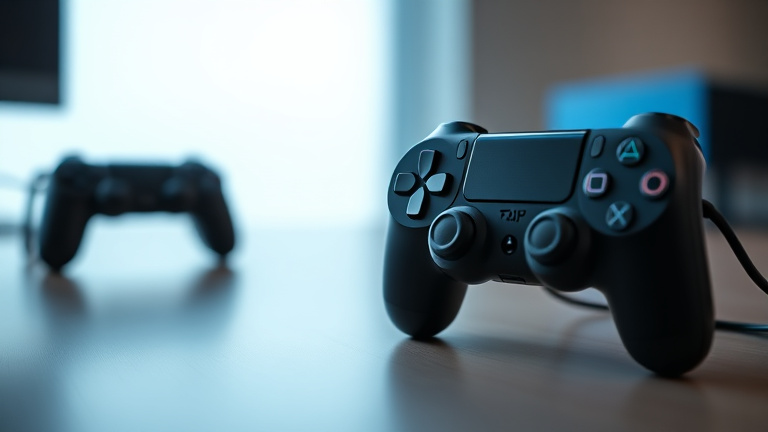
Is lag degrading your gaming experience? A slow PlayStation Network connection can mean the distinction between winning and losing in competitive gaming. Whether you’re competing against online players or broadcasting gameplay, improving your network performance is crucial for maximum performance. This guide outlines proven methods to enhance your PSN speed, lower lag, and eliminate frustrating lag. From basic router changes to advanced network configurations, find out how to revolutionize your gameplay and dominate the competition.
Check Your Current Internet Speed
Before deploying any performance improvements, you need to establish a foundational grasp of your present system efficiency. PlayStation consoles feature a integrated connection analysis tool that evaluates your link performance and consistency. Open this function by navigating to Settings, then Network, and selecting Test Internet Connection. This check will reveal your connection velocity, transmission rate, and NAT type, delivering essential metrics to evaluate your existing speed capacity and identify potential bottlenecks impacting your entertainment performance.
Interpreting your internet speed test results is essential for troubleshooting connection issues successfully. Download speeds exceeding 35 Mbps are typically adequate for smooth online gaming, while upload speeds of 5 Mbps or higher minimize delays during competitive play. Your NAT type is equally important; Types 1 and 2 indicates the best connection performance, while Type 3 indicates potential connection problems. Note these baseline measurements before making adjustments, letting you reliably assess performance gains and confirm that your network adjustments are providing noticeable improvements for improved gaming experience.
Enhance Your Router Settings and Placement
Optimal Router Placement
Your router’s physical location significantly impacts your PlayStation Network connection performance. Place your router in a central, elevated spot within your home to maximize signal strength and reduce disruption. Keep it distant from walls, metal objects, and other devices like microwaves and cordless phones that can cause signal disruption. Ideally, position your router at shoulder height or higher, maintaining a clear unobstructed view between the router and your gaming system for optimal performance.
Set up Router Settings for Gaming
Access your router’s control interface to adjust settings specifically for gaming optimization. Enable QoS features to give gaming priority and decrease bandwidth competition from other devices. Update your router’s firmware frequently to ensure you have the latest performance improvements and security updates. Consider changing to a quieter WiFi channel, especially if you live in an location with multiple adjacent networks that might cause interference.
Wired Connection Benefits
While WiFi provides ease of use, a wired Ethernet connection directly to your PlayStation provides superior stability and lower latency. If possible, connect an Ethernet cable between your router and your gaming console for the strongest connection. This wired setup removes wireless interference and packet loss, providing the fastest, most consistent gaming experience available.
Configure Your PlayStation Network Settings
Your PlayStation console’s connection configuration are essential in determining connection quality and gaming performance. By fine-tuning these parameters, you can realize substantial enhancements in responsiveness and consistency. Access the configuration menu on your PlayStation 5 or PlayStation 4, go to Network, and check your present connectivity status. This section walks you through key modifications that will enhance your PSN platform and reduce lag during gameplay sessions.
Begin by testing your existing network speed through the native speed test tool located in your device’s network configuration. This testing utility measures your download performance, upload rate, and NAT configuration—vital indicators for online gaming. Match your findings against PlayStation’s recommended speeds: a floor of 5 Mbps for online play and 35 megabits per second for ultra HD streaming. Once you comprehend your performance baseline, you can apply targeted improvements to achieve peak gaming experience.
Advanced Performance Tips
Beyond fundamental optimization, think about adding Quality of Service (QoS) settings on your router to prioritize gaming traffic. This sophisticated feature distributes bandwidth specifically for your PlayStation, guaranteeing additional devices downloading data or playing video won’t disrupt your gaming activities. Additionally, activating UPnP (Universal Plug and Play) on your network device can automatically configure port forwarding, additionally decreasing connection latency and enhancing overall network stability for competitive online gaming.
For dedicated gamers seeking optimal speed, check out your ISP’s performance-oriented packages or explore upgrading to a Wi-Fi 6 router that provides quicker connections and minimal delay. Periodically review your network performance using built-in PSN diagnostics and third-party speed testing tools to spot slowdowns. To wrap up, ensure firmware stays current and regularly clear your connection configuration to remove stored information, helping your device preserve optimal connectivity for the best gaming performance.
